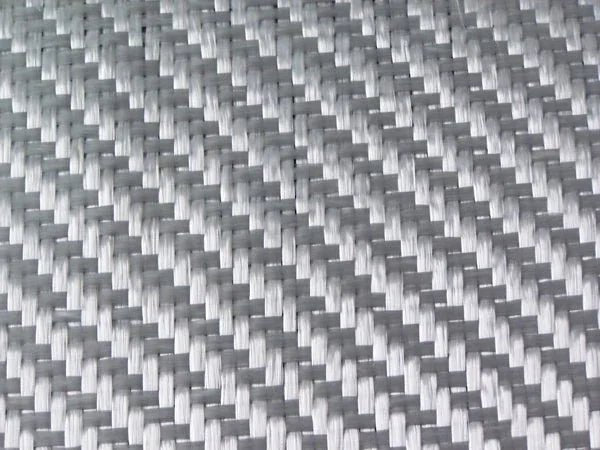
Glass fabric, various weaves (available weights: 150 g, 200 g, 400 g)
Glass cloth is a high-quality reinforcing material made of continuous glass fibers that form a regular, uniform weave. It is a key component used in the production of polyester, epoxy, or vinyl ester resin composites, ensuring high mechanical strength and durability of the finished products.
Product features:
- Mechanical strength: Glass cloth provides excellent resistance to tension, bending, and dynamic loads.
- Lightweight: High strength while maintaining low material weight.
- Flexibility and fit: Ideal for forming shapes, creating layers, and reinforcing surfaces.
- Compatibility: Works perfectly with polyester, epoxy, and vinyl ester resins.
- Chemical resistance: High resistance to moisture and chemicals.
- Aesthetics: Creates a smooth and uniform structure of the finished laminate.
Application:
Glass cloth is widely used in various industrial sectors, such as:
- Marine industry: Production of boat hulls, yachts, kayaks, and other structures exposed to water.
- Automotive industry: Bodywork reinforcements, vehicle structural elements, and tuning parts.
- Construction: Production of molds, panels, composite profiles, and architectural elements.
- Aerospace industry: Creation of lightweight, durable composite structures.
- Sports equipment: Reinforcements for surfboards, bicycles, skis, sports poles, etc.
- Repairs and renovations: Reinforcing damaged surfaces, repairing tanks, pools, and other laminate structures.
Resin compatibility: Polyester, epoxy, vinyl ester.
Instructions for use:
- Surface preparation: The surface must be clean, dry, and degreased.
Resin impregnation: The glass cloth should be thoroughly impregnated with the appropriate resin using a brush or roller.
- Laying layers: The cloth is laid in layers to achieve the required thickness and strength of the laminate.
- Curing: Leave to fully cure according to the resin manufacturer's instructions.
- Finishing: After curing, the surface can be sanded, painted, or coated with an additional topcoat.
Glass cloth is an indispensable material in the production of lightweight, strong, and durable composite structures. Thanks to the wide range of weights and weave types, the cloth meets the needs of both professionals and amateurs involved in laminating and reinforcing various structures.

Glass fabric, various weaves (available weights: 150 g, 200 g, 400 g)